Uncover Your Team’s Potential
Healthy teams aren't a perk. They're a competitive advantage.
Extraordinary performance thrives in harmonious human ecosystems
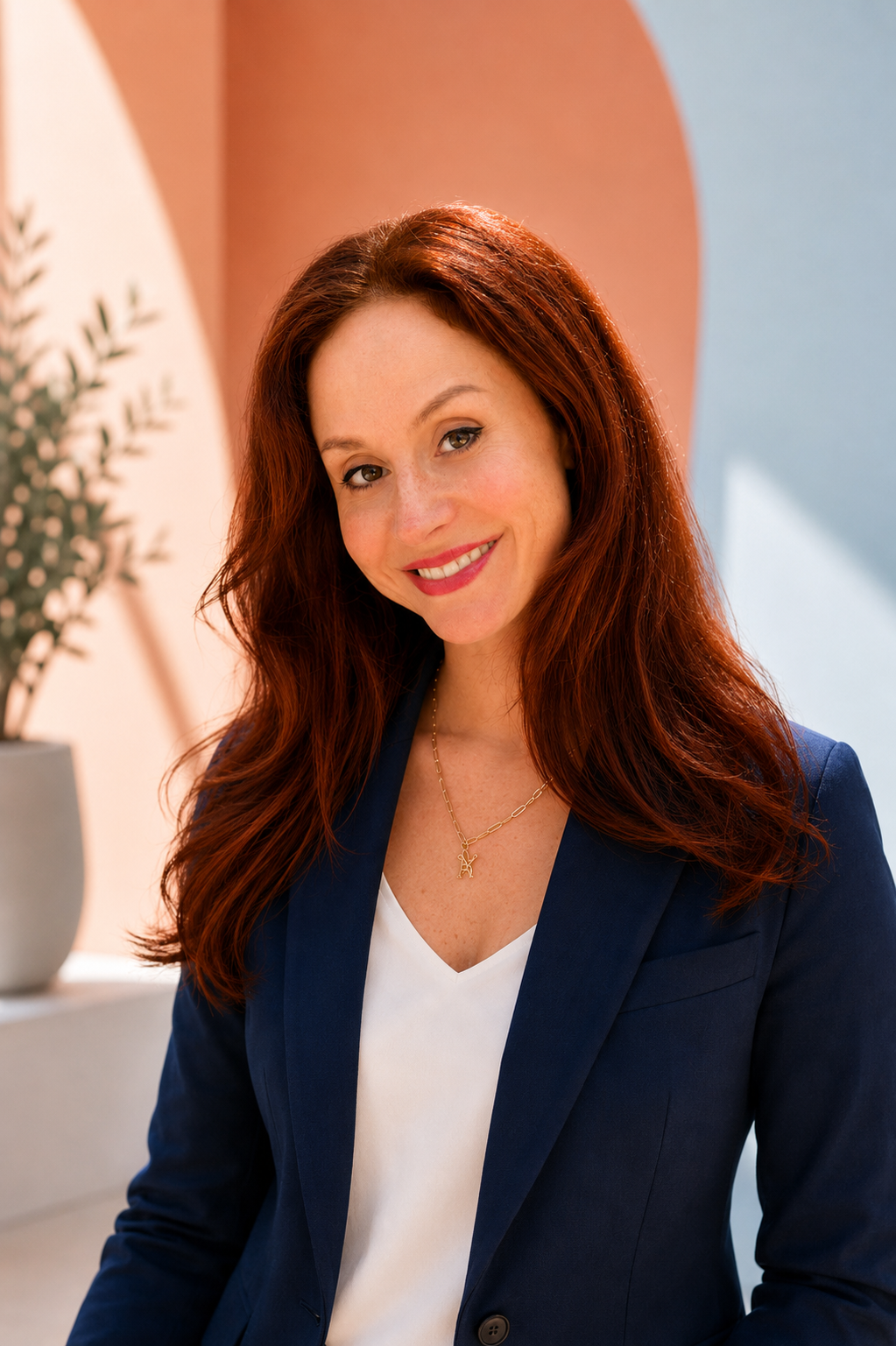
Kim Kozel helps organizations create environments where trust grows, creativity flourishes, and people genuinely enjoy building something special together.
Healthy teams perform better.
-

Highly engaged teams are 23% more profitable than low-engagement teams.
-

68% of employees who voluntarily leave cite engagement, culture, or wellbeing - not pay - as the primary reason.
-

High-trust teams are 5× more likely to innovate effectively.
• Your best people are exhausted.
• No one wants to speak up.
• People are talking about each other instead of with each other.
• Another meeting that should've been an email.
• Quiet quitting.
• Low morale that no pizza party can fix.
• The talent is there. The enthusiasm isn't.
If you're nodding along...
You're probably not looking at a motivation problem.
You're looking at a relational ecosystem asking for attention.
Does any of this feel familiar?
What I Believe
Healthy cultures aren't built by accident.
They’re cultivated.
The strongest teams aren't created by better perks or tighter policies. They grow when leaders intentionally create the conditions where trust, curiosity, boldness, creativity, and genuine connection can flourish.
People don't thrive because they're pushed harder.
They come alive because the conditions allow them to.
People don't become more engaged because they're managed more closely or motivated more loudly. Real engagement emerges when people feel safe enough to contribute, collaborate, and bring their best thinking to the work they do.

How We Work Together
1×1 Coaching
Helping leaders and team members cultivate trust, emotional intelligence, courageous communication, and teams people actually want to be part of.
Team Development
Transforming the relational dynamics that shape collaboration, creativity, and psychological safety.
Workshops & Speaking
Interactive experiences that help people rethink communication, conflict, connection, and the conditions where human potential thrives.
FAQs

-
I partner with organizations, founders, leadership teams, and professionals who want to create healthier, more connected, and more effective workplaces.
-
Every organization is different. Depending on your goals, our work may include leadership coaching, team development, workshops, conflict resolution, culture consulting, or ongoing organizational support.
-
Absolutely. My work isn't only about solving problems. It's about creating the conditions where people, leaders, and teams can thrive before bigger issues emerge.
-
No. Healthy cultures are created by people at every level of an organization. While I often partner with leaders, my work also includes teams, departments, emerging leaders, and individuals who want to improve the way they work with others.
-
Most workplace solutions focus on symptoms like communication, engagement, or performance. I focus on the conditions underneath them. By strengthening trust, relationships, and psychological safety, healthier communication, creativity, ownership, and collaboration naturally begin to emerge.
-
Most organizations have tried improving communication, introducing new processes, or investing in team-building. Those efforts can absolutely help, but when the underlying conditions haven't changed, the same patterns often return. My work focuses on those underlying conditions, creating environments where healthier relationships, stronger leadership, and lasting change can naturally emerge.
Ready to Help Your People Come Alive at Work?
If you're tired of solving the same people problems over and over, let's explore what's happening beneath the surface… and what becomes possible when people actually enjoy working together.

-
![Icon of a group of people inside a badge outline.]()
Relationships First
Healthy organizations aren't built on policies alone. They grow through the quality of the relationships within them.
-
![A black background with a white computer cursor arrow centered in the image.]()
Human Potential
Every person has untapped creativity, wisdom, and leadership waiting for the right conditions to emerge.
-
![Black badge with a white heart in the center, surrounded by a wavy white border.]()
Aliveness = Engagement
When people feel safe, connected, and valued, work becomes more energizing, meaningful, and fun—for everyone.


What's Really Happening in the Office?
What most people see
Meetings feel flat.
Communication keeps breaking down.
High performers leave.
One person carries the team.
Conflict gets avoided.
People stop speaking up.
Low morale that no pizza party can fix.
Work isn't fun anymore.
What I often see
Fear is driving behavior more than trust.
People no longer feel safe bringing their whole selves to work.
Intrinsic motivation has faded.
People are protecting themselves instead of collaborating.
Leadership is solving symptoms instead of cultivating conditions.
Curiosity has quietly been replaced by self-protection.
People have stopped feeling seen, heard, and valued.
The conditions no longer invite people to come alive.